Category: Uncategorized
-

Improving LCP with Lazy Loading via Intersection Observer
Introduction: Why LCP Is Your Site’s Silent SEO Killer You don’t lose visitors because your content is weak. You lose them because they leave before it even loads. Modern websites compete not only on design and content but also on speed—more specifically, how quickly the Largest Contentful Paint (LCP) appears. For users, LCP is that…
-
How JavaScript Frameworks Affect Core Web Vitals
Introduction: Why Faster Isn’t Fast Enough Anymore In a world where digital attention spans are measured in milliseconds, your site’s performance isn’t just about speed—it’s about perceived speed, stability, and responsiveness. This is precisely what Google’s Core Web Vitals (CWV) aim to measure. Whether you’re building a single-page app in React or experimenting with SvelteKit,…
-

Mobile-First Indexing: Meaning & Best Practices Explained
Introduction Over the past decade, the internet has witnessed a significant shift in user behavior—more people now access websites via mobile devices than desktops. In response, Google has adapted its search algorithm to reflect this change, putting mobile usability at the core of how it indexes and ranks websites. This shift is known as mobile-first…
-

Understanding Device Spoofing and How to Prevent It
Introduction Not all cyber threats come charging through the front door. Some sneak in, quietly pretending to be something they’re not. Among these silent intruders is device spoofing—a technique that lets attackers disguise their devices to appear trustworthy. Unlike more familiar threats like phishing or malware, device spoofing often flies under the radar. It doesn’t…
-

How Third-Party Scripts Affect INP and Ways to Fix It
Introduction: A Hidden Culprit in Your Site’s Sluggishness Not all performance issues are caused by bloated design or backend bottlenecks. In fact, one of the most common, yet overlooked, contributors to slow site performance lies hidden in the very tools marketers and developers often rely on: third-party scripts. Imagine a site that loads well initially…
-

llms.txt File Explained: Should Your Website Use It?
Introduction As artificial intelligence becomes more common online, it’s raising new questions about how websites share their data. One important topic gaining attention is the llms.txt file. This is a simple text file that gives website owners more control over whether AI tools—like ChatGPT or Google Gemini—can use their content to train their systems. In…
-

Responsive Web Design: What It Is & How to Start
Introduction The web has changed. More than half of global web traffic now comes from mobile devices, and that number continues to rise. In this mobile-first era, responsive web design is no longer optional—it’s essential. Yet, many websites still fail to deliver consistent user experiences across different devices and screen sizes. That gap creates a…
-
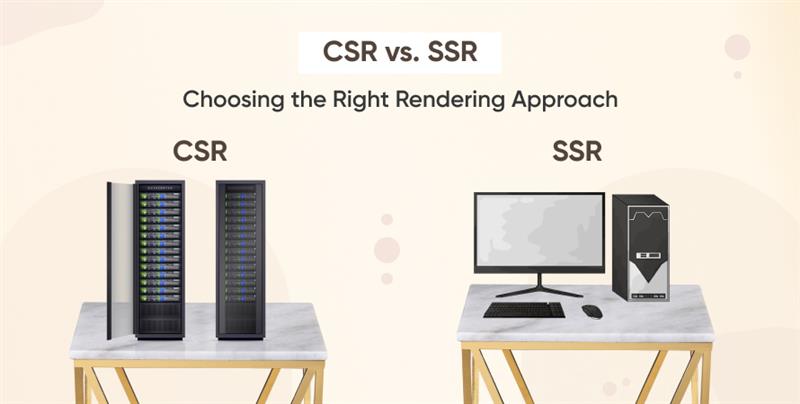
SSR vs. CSR: Choosing the Right Rendering Approach
Introduction As the web evolves, so do the strategies developers use to deliver content to users. Among the most fundamental decisions when building a modern web application or website is choosing the appropriate rendering method. Rendering—how a web page is delivered and displayed in a browser—has a direct impact on page speed, user experience, search…
-

Semantic HTML: What It Is and How to Use It Properly
Introduction The web has come a long way from its early days of plain text and simple hyperlinks. As websites evolved into rich, interactive experiences, so too did the languages that power them. HTML, the backbone of every website, has undergone major changes since its inception. Among the most impactful developments is the introduction of…
-
302 Status Code: What It Means and How to Resolve It
Introduction When managing a website, every second counts, not just in loading speed, but in the accuracy and clarity of how the server communicates with browsers and search engines. One critical aspect of this communication is the use of HTTP status codes, which tell users and bots what’s happening behind the scenes when a URL…