Category: Uncategorized
-

How to Improve Domain Authority: A Comprehensive Guide
Introduction In the ever-evolving world of SEO, site authority plays a crucial role in determining how well your website performs in search engine rankings. But what exactly is site authority, and why is it so important? In simple terms, site authority is a measure of your website’s credibility and potential to rank well in search…
-
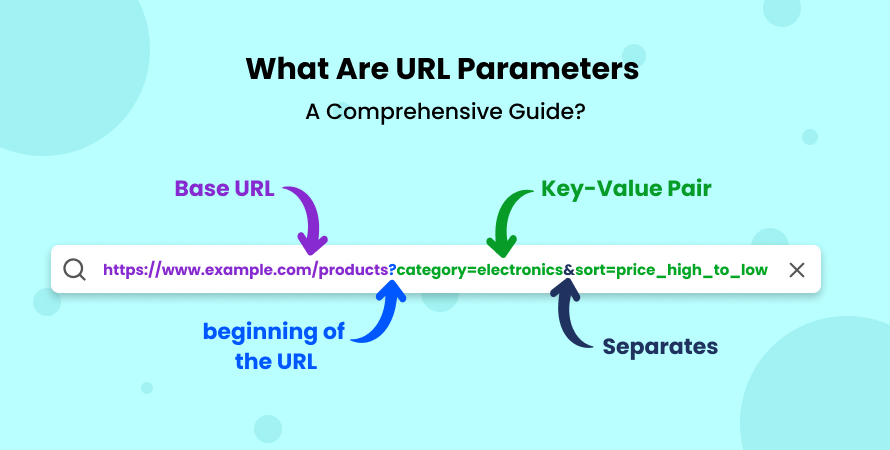
What Are URL Parameters? A Comprehensive Guide
In the world of web development and Search Engine Optimization (SEO), URL parameters play a crucial role in how content is displayed, tracked, and interpreted by search engines. While they can be incredibly useful, they can also present challenges if not managed correctly. This guide will help you understand what URL parameters are, how they…
-
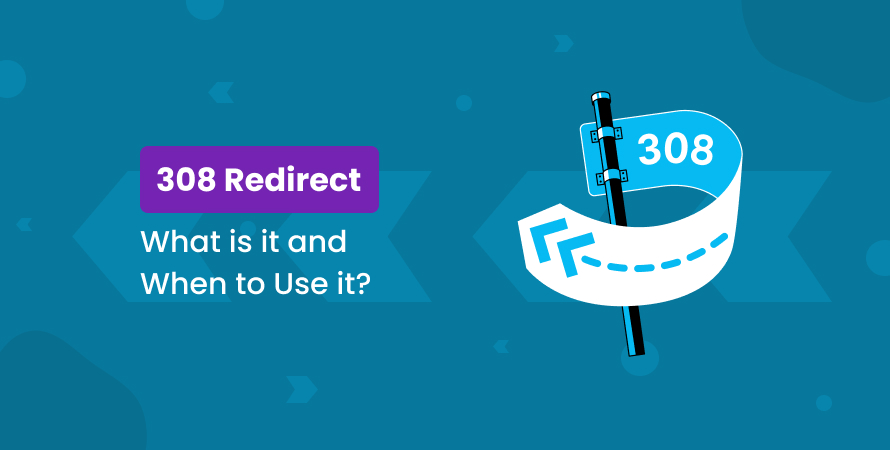
308 Redirect: What Is It and When to Use It?
HTTP status codes are vital components of web communication, indicating the status of a client’s request to a server. These permanent redirect codes, ranging from 1xx informational responses to 5xx server errors, help developers and browsers understand how to proceed with a given request. Among these, the 3xx redirection messages play a crucial role in…
-

400 Bad Request: What is it and How to Fix it?
A 400 Bad Request error can be a common yet frustrating experience in web browsing. This error is an HTTP status code indicating that the server cannot process the request due to a client-side issue. Understanding why this error 400 occurs and how to resolve it is essential for improving your online experience. By addressing…
-

Website Speed Check: 6 Easy Testing Methods
The Google web speed test is crucial for a great user experience. When a website’s loading speed is high, users are more likely to stay engaged and have a positive interaction with the content. On the other hand, slow-loading websites can frustrate visitors, leading to higher bounce rates and potentially lost revenue. Here are the…
-

How to Get Website Indexed?
Ensuring your website is indexed by Google is crucial for visibility in search results. Without proper indexing, your site won’t appear in search engine result pages (SERPs), making it nearly invisible to potential visitors. Google search indexing involves several steps, starting with crawling, where Google’s bots scan the web for new content. This process includes…
-
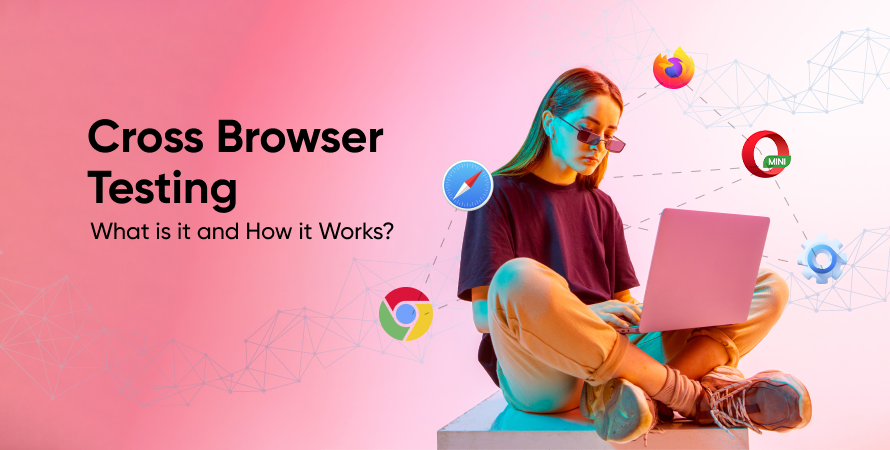
Cross-Browser Testing- What is it and How it Works?
Cross-browser testing is a quality assurance process aimed at verifying that a web application functions consistently across different web browsers and devices. This type of testing is crucial for identifying compatibility issues that can impact user experience, as various browsers may render content differently due to differences in their engines, settings, or support for web…
-
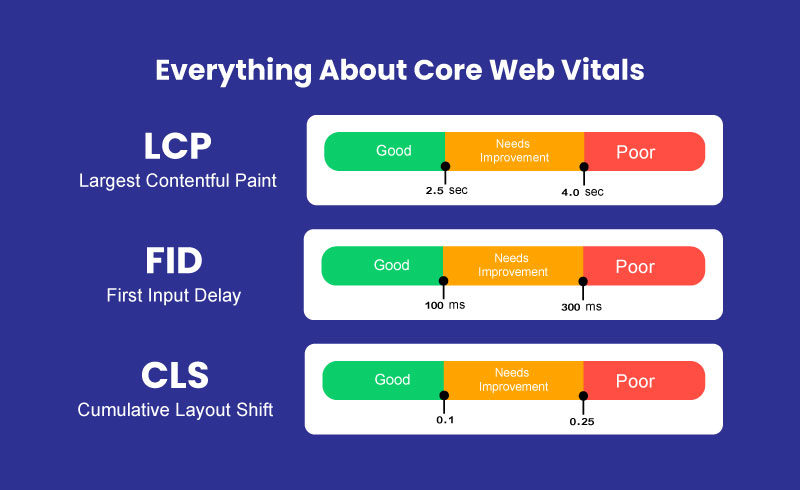
Everything About Core Web Vitals
In web design and SEO, Google Core Web Vitals are crucial. These metrics, set by Google, assess the actual user experience of web pages with an emphasis on three main areas: loading speed, interactivity, and visual stability. It’s important to understand and improve these metrics to boost both user satisfaction and search engine visibility. Key…
-

The Ultimate Strategy: Integrating UX and SEO
In digital marketing, it’s important to combine User Experience (UX) and Search Engine Optimization (SEO) for optimal results. This combination helps websites rank higher on search engines and improves SEO and user experience. Combining UX optimization and SEO efforts can lead to: Higher search engine rankings Improved user satisfaction Better business outcomes By focusing on…
-
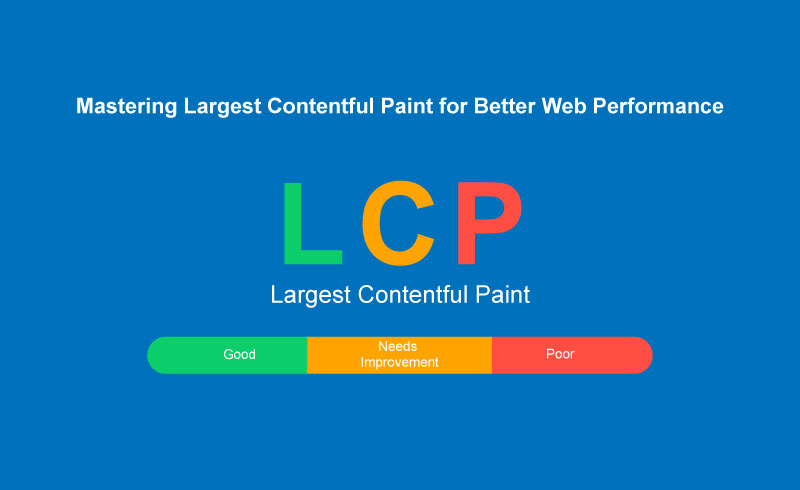
Mastering Largest Contentful Paint for Better Web Performance
Largest Contentful Paint (LCP) is a crucial web performance metric that measures how long it takes for the largest visible content element to load within the user’s viewport. It is one of Google’s Core Web Vitals and focuses on the speed at which users can see and interact with important elements such as images, videos,…