Category: Uncategorized
-
Mastering SEO and Web Vitals with Image Lazy Loading Techniques
Image lazy loading is a technique that defers the loading of offscreen images until they are about to enter the viewport. This means that images only load when they’re needed, which can significantly improve both SEO and web performance. Why is SEO important? Search engines prioritize websites that offer fast, smooth user experiences. Improved page…
-

What is Headless SEO? The Ultimate Guide
Headless SEO refers to the optimization strategies and techniques designed specifically for headless content management systems (CMS). Unlike traditional CMS, where the content creation and presentation layers are intertwined, a headless CMS separates these two aspects, utilizing APIs to deliver content across multiple platforms and devices. Understanding Headless SEO is crucial in today’s digital marketing…
-

How to Build Trust with People-First Content Using Google E-E-A-T?
In today’s digital landscape, building trust with your audience is essential for success. But how do you do that? Google’s E-E-A-T framework—Experience, Expertise, Authoritativeness, and Trustworthiness—provides a roadmap for creating content that resonates with users and search engines alike. In this comprehensive guide, we’ll explore how to build trust through people-first content using Google EEAT…
-

The Role of Hosting in Driving Better SEO Performance
The hosting environment is a critical yet often overlooked aspect of SEO performance. A well-optimized hosting setup can significantly boost your SEO performance, making it crucial to understand its impact. Several key factors influence how your hosting environment affects SEO: Site Speed: Google considers loading times as a ranking factor. Faster sites provide better user…
-
What is a Trailing Slash and Why Is It Important
Introduction A trailing slash is a forward slash (/) at the end of a URL, such as domain.com/ or domain.com/page/. Its presence or absence can significantly impact how URLs are interpreted and managed. Key takeaway: Understanding when a trailing slash matters is crucial for effective website management and SEO optimization. In this article, you’ll learn:…
-
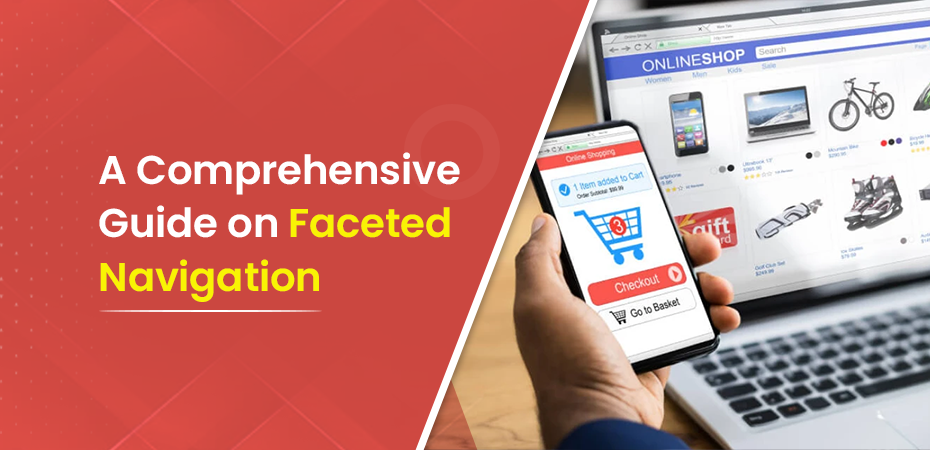
What Is Faceted Navigation? The Main Factors to Consider for SEO
Introduction Faceted navigation allows users to filter and sort website content based on multiple attributes, such as size, color, price, or brand. This system is prevalent in e-commerce, publishers, and classified websites, where it enhances user experience by enabling visitors to find exactly what they’re looking for quickly and efficiently. However, while faceted navigation significantly…
-
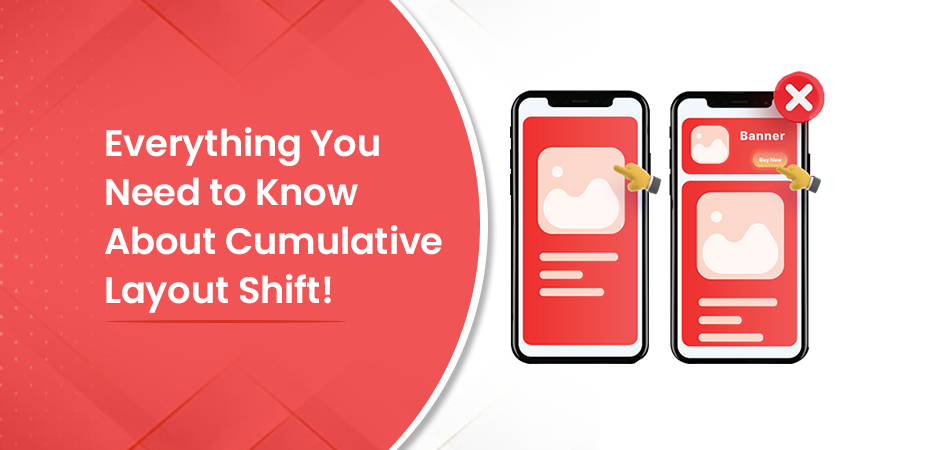
Everything You Need to Know About Cumulative Layout Shift
Introduction Cumulative Layout Shift (CLS) is an important measure of how stable a webpage looks while it’s loading. When things move around unexpectedly as the page loads, it can be annoying for users. A high CLS score means a lot of these unexpected movements, which can frustrate users and make them leave your site. To…
-

How to Improve Website Performance- Tips
Introduction Website speed optimization is all about making your site load faster and work better. It’s important because slow websites can frustrate users, leading to lower conversion rates and unhappy customers. Plus, Google takes website speed into account when ranking sites, so it’s crucial for SEO too. In this article, we’ll explore site speed improvement…
-

What Is Robots.txt? A Comprehensive Guide
When it comes to managing how search engines interact with your website, robots.txt plays a critical role. But what is robots.txt exactly? At its core, robots txt is a simple text file that instructs search engine crawlers, also known as bots, on which URLs they can access and which ones to avoid. This helps you…
-
What is Time to First Byte and How to Optimize It?
Time to First Byte (TTFB) is a critical web performance metric that measures the duration between a user’s HTTP request and the receipt of the first byte of data from the server. This metric includes several components such as DNS lookup, TLS handshake, and server processing time. A good TTFB can significantly enhance user experience…