Author: vineet
-
What is a Trailing Slash and Why Is It Important
Introduction A trailing slash is a forward slash (/) at the end of a URL, such as domain.com/ or domain.com/page/. Its presence or absence can significantly impact how URLs are interpreted and managed. Key takeaway: Understanding when a trailing slash matters is crucial for effective website management and SEO optimization. In this article, you’ll learn:…
-
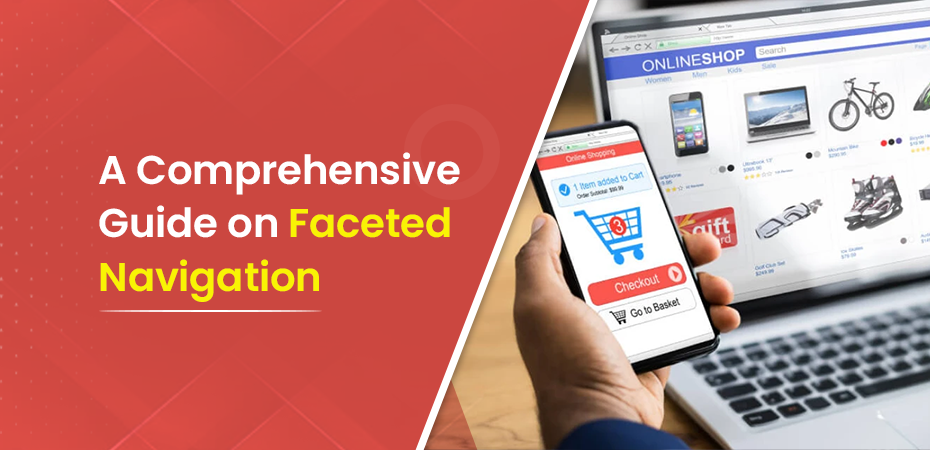
What Is Faceted Navigation? The Main Factors to Consider for SEO
Introduction Faceted navigation allows users to filter and sort website content based on multiple attributes, such as size, color, price, or brand. This system is prevalent in e-commerce, publishers, and classified websites, where it enhances user experience by enabling visitors to find exactly what they’re looking for quickly and efficiently. However, while faceted navigation significantly…
-
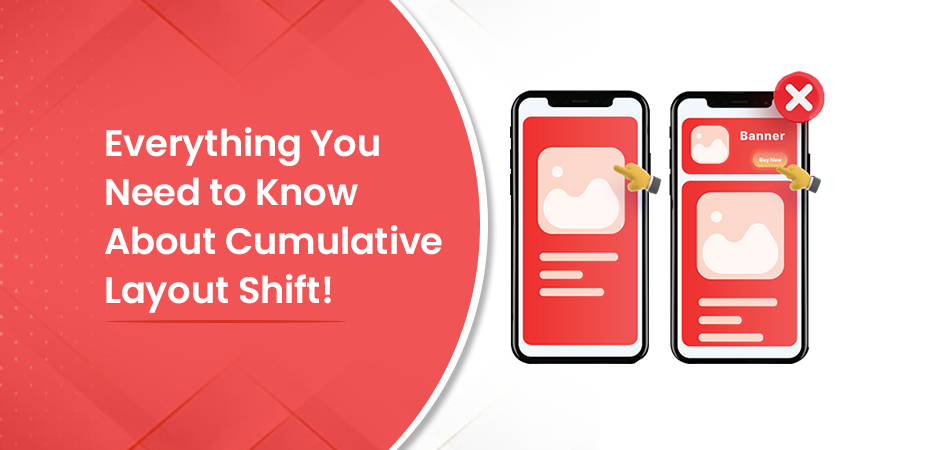
Everything You Need to Know About Cumulative Layout Shift
Introduction Cumulative Layout Shift (CLS) is an important measure of how stable a webpage looks while it’s loading. When things move around unexpectedly as the page loads, it can be annoying for users. A high CLS score means a lot of these unexpected movements, which can frustrate users and make them leave your site. To…
-

How to Improve Website Performance- Tips
Introduction Website speed optimization is all about making your site load faster and work better. It’s important because slow websites can frustrate users, leading to lower conversion rates and unhappy customers. Plus, Google takes website speed into account when ranking sites, so it’s crucial for SEO too. In this article, we’ll explore site speed improvement…
-

What Is Robots.txt? A Comprehensive Guide
When it comes to managing how search engines interact with your website, robots.txt plays a critical role. But what is robots.txt exactly? At its core, robots txt is a simple text file that instructs search engine crawlers, also known as bots, on which URLs they can access and which ones to avoid. This helps you…
-
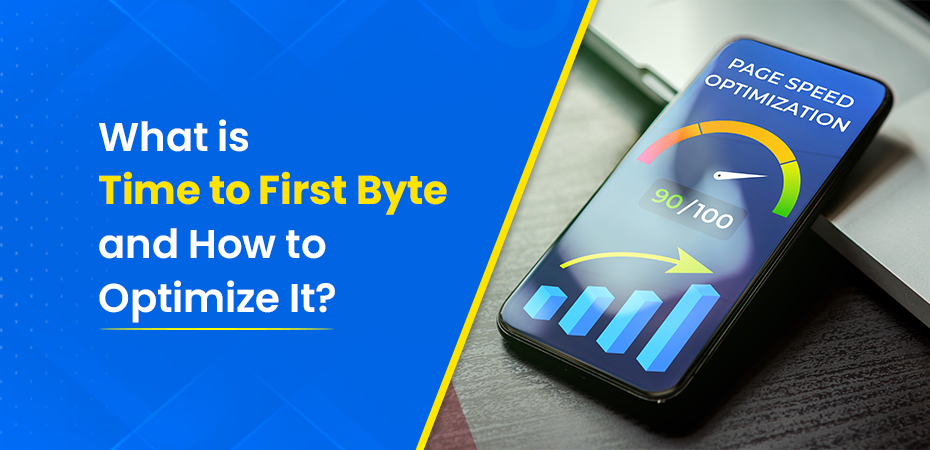
What is Time to First Byte and How to Optimize It?
Time to First Byte (TTFB) is a critical web performance metric that measures the duration between a user’s HTTP request and the receipt of the first byte of data from the server. This metric includes several components such as DNS lookup, TLS handshake, and server processing time. A good TTFB can significantly enhance user experience…
-
What is Google AMP? A Complete Guide About SEO and AMP
The web is getting faster, and user experience on mobile is more critical than ever. That’s where Google AMP (Accelerated Mobile Pages) comes in. AMP is a technology that helps websites load almost instantly on mobile devices, improving user experience and, potentially, SEO rankings. However, Accelerated Mobile Pages in the SEO world has divided opinions,…
-
What are Website Crawlers? How They Work?
In the vast and ever-expanding digital landscape, web crawlers play a crucial role in how we navigate and access information online. These behind-the-scenes tools are the backbone of search engines, quietly traversing the web, indexing content, and ensuring that the right information is available at our fingertips. Whether you’re a tech enthusiast, an SEO professional…
-

Best Content Management Systems in 2024
A robust content management system (CMS) is crucial for effective digital content management. It empowers businesses, bloggers, and developers to create, manage, and modify content on their websites without needing extensive technical knowledge. Since the early days of static HTML pages, website CMS systems have evolved significantly. Initially, they provided basic content editing functionalities. Today,…
-
What is Google Bot & How It Works?
Googlebot is Google’s web crawler responsible for discovering and indexing content on the internet. Acting as an automated script, Googlebot navigates through webpages by following links from one page to another, collecting data to build a comprehensive, searchable index for Google Search. Role of Googlebot in Web Crawling and Indexing Web Crawling: Googlebot systematically browses…